Skip Hire in Crystal Palace

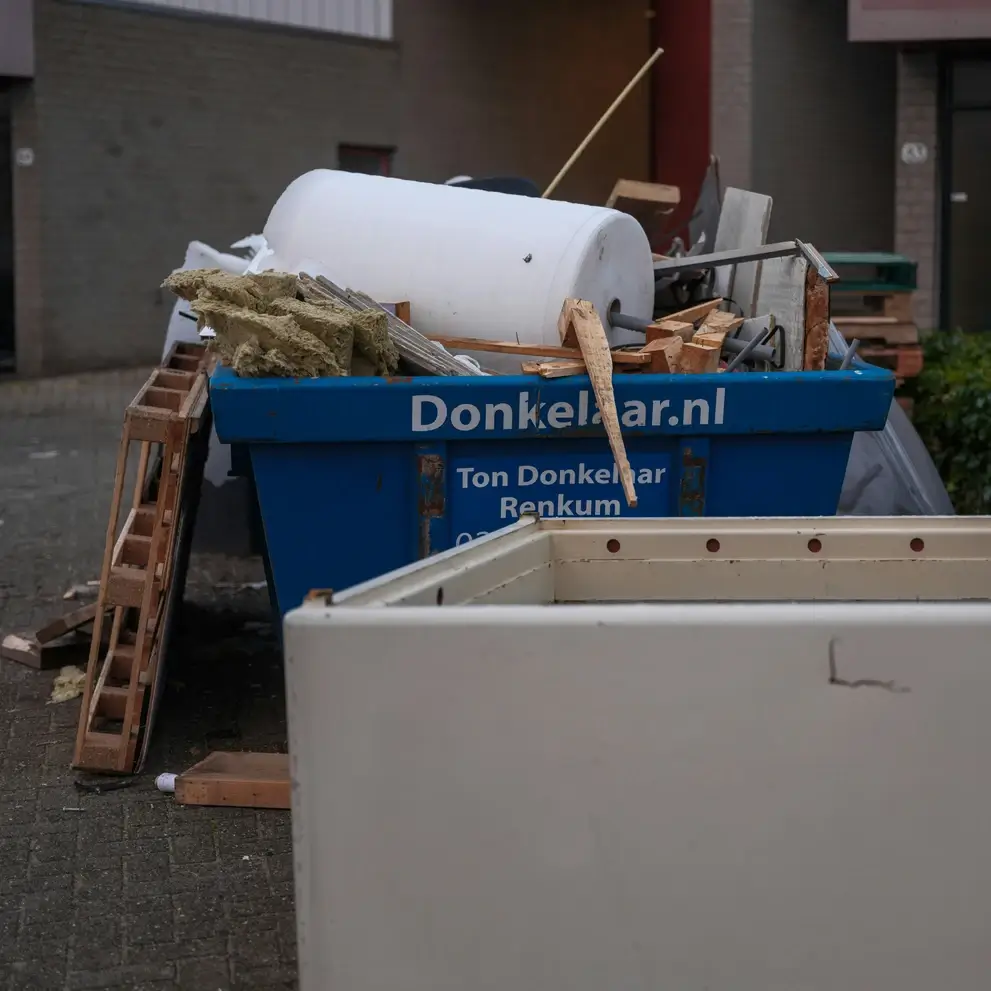
Skip hire in Crystal Palace gives households, trades and property managers a straightforward way to clear mixed waste in a single container, with the size and collection pattern chosen to suit the job. Our service covers everyday clear-outs, renovation debris, garden waste and heavier building materials, with practical options that help keep waste handling organised from start to finish. If you need a simple way to move waste off site without constant trips, this service is built around that goal.
The main decision is usually the skip size, followed by where it can sit and how the waste will be loaded. A well-matched container helps keep loading safe and orderly, while also reducing the risk of paying for more capacity than you need. We offer guidance on choosing between domestic and trade-focused options, including when a wait and load approach may be more suitable than leaving a skip on the road or driveway. Ask for a quotation once you know the rough waste type and timing.
For many customers the service begins with a short list of practical questions: what is being removed, how quickly it needs to go, and whether access is tight. A clear answer to those points makes it easier to narrow the right service. You can also use the rest of this page to compare our related options, from heavier site waste to smaller domestic clearances. Contact us when you are ready to arrange skip hire in Crystal Palace.
Choosing the right skip for the job
Different projects create different waste streams, and the best hire choice depends on volume, material weight and the space available for delivery. A light household clear-out may only need a modest container, while a kitchen refit, garden overhaul or roofing job may need a larger, more robust solution. We can help you think through what will fit, what will be suitable for the site and what sort of access will be needed for delivery and collection.
Skip hire is often most efficient when the waste is separated sensibly before loading. Keeping cleaner materials apart from mixed debris can improve how the container is used and may support recycling later in the process. Where access is awkward, it can be worth comparing standard hire with wait and load skip hire, especially if you cannot keep a container on site for long. That is often a better match for busy frontages or limited parking.
For customers who want a simple comparison, the service range includes options for domestic properties, building work and larger commercial clearances. Our team can also explain when a more specialised service would be a better fit than a general skip, such as a grab lorry or a targeted clearance vehicle. The aim is to match the disposal method to the waste rather than forcing every job into the same pattern. Better matching usually means less disruption and a tidier site.
Skip sizes, access and placing the container
Choosing a size is not only about volume. The container has to suit the access route, the surface it will sit on and the way waste will be loaded. Narrow drives, sloping ground and shared access all affect what can be delivered safely. If you are unsure, it is better to describe the site clearly than to guess. That helps avoid delays and makes it easier to select a skip that fits the space without blocking essential movement.
Our service information includes a dedicated page on skip sizes and prices, which can be useful when you are comparing the difference between small domestic jobs and fuller trade loads. Pricing is usually shaped by size, waste type, access and hire period, rather than by one flat rule. For the customer, that means the most useful quotation starts with a realistic estimate of the load and a clear idea of where the container will be placed.
If you are handling a one-off clearance, think about what will go in first and what may arrive later. The more accurately you can estimate the waste, the easier it is to avoid overfilling or selecting a skip that is too small. A practical approach is to set aside the heaviest materials separately and note whether the waste is bulky, compactable or awkwardly shaped. That short preparation step often makes the hire process smoother and the collection simpler.
Domestic clear-outs and home improvement waste
Domestic skip hire is often used for loft clearances, room refits, kitchen updates and spring cleaning jobs that produce more waste than a normal household bin system can handle. It is also helpful when old furniture, packaging and mixed household clutter need to be removed together. A skip keeps the load in one place so the work can progress without repeated journeys to a disposal site. For many homes, that is the main practical advantage.
Where the work is more selective, related services such as house clearance or garage and loft clearance may be the better fit. These can be useful when the task involves bulky household contents rather than ordinary renovation waste. If you are comparing approaches, think about whether you want to fill a container yourself or have the removal handled as a clearance. Both can be sensible, but they solve slightly different problems.
Domestic projects also benefit from a simple loading plan. Heavy items should be placed carefully, breakable waste should be packed so it does not spread, and unsuitable items should be kept out of the container altogether. If you are clearing a property in stages, a skip can remain a central collection point while rooms are worked through one by one. Ask for a quotation when you are ready, especially if the property layout may affect delivery.
Builders’ and construction waste removal
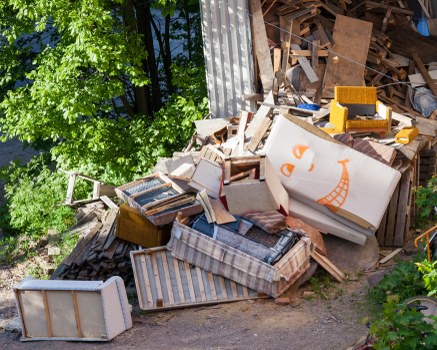
Building work produces a different kind of waste from a household tidy-up. Bricks, rubble, timber offcuts, plasterboard, packaging and general construction debris need a service that can handle mixed site waste safely and efficiently. That is why we offer routes for builders’ loads and construction-related disposal. The service is useful for refurbishments, extensions, strip-outs and smaller trade jobs where waste quickly accumulates around the work area.
Relevant options include builders skip hire and construction waste clearance, both of which suit projects that generate ongoing debris rather than a single household load. If your job involves demolition or heavier strip-out material, the broader demolition waste removal page may be a better match. These pages help separate the different types of work so the disposal method can reflect the job rather than relying on a one-size-fits-all arrangement.
On site, planning usually comes down to safe loading and sensible segregation. Clean rubble, timber, metals and mixed waste are often handled more effectively when they are not thrown together indiscriminately. It is also worth checking how the container will be reached by workers and vehicles, especially if scaffolding, skips or materials already occupy part of the frontage. A tidy loading area can reduce obstruction and support a steadier workflow during the project.
Commercial, office and trade waste needs
Commercial waste is often more time-sensitive than domestic rubbish because premises still have to operate while the clearance takes place. Shops, offices, workshops and managed properties may need a skip or alternative collection method that fits around staff movement, customer access and delivery schedules. Our related services include commercial skip hire and office clearance, both of which are suited to planned removals where business continuity matters.
For larger or more complex jobs, it may also be useful to look at site clearance or builders waste removal if the material comes from a working premises rather than a home. These services help separate office items, trade debris and full-site waste management into clearer categories. That matters because the practical requirements are different: a clean office move-out needs a different approach from a partially active construction site or a storage area being emptied.
When organising commercial waste, timing and access are usually as important as capacity. You may need collection to fit around opening hours, secure spaces for loading or a method that avoids interrupting customer entry. The most useful quotation begins with a short description of the premises, the waste type and any restrictions on vehicle access. If you already know the broad scope, we can help narrow the disposal option before work begins.
About Crystal Palace
Crystal Palace is an area in south London known for its hilltop setting, its links to the Great Exhibition of 1851 and the vast glass structure that once stood here before being moved and later destroyed by fire. The district takes its name from that building, and the surrounding area grew into a mixed urban landscape with residential streets, transport links and busy local centres spread across the ridge and slopes. Crystal Palace Park remains one of the area’s defining green spaces, and its landscape still reflects the site’s exhibition-era ambition alongside later recreation use. The park includes the famous dinosaur sculptures, early attempts at landscape design and a series of terraces, lakes and open spaces that give the neighbourhood a distinct character. At the eastern edge, the Crystal Palace transmitter is a familiar landmark on the skyline and a reminder of the hill’s elevation. The area also sits near several administrative boundaries, which gives it a layered identity and a varied built environment. Victorian and Edwardian housing stock appears alongside later infill development, while local shopping streets, independent venues and cultural spaces add to the everyday life of the district. Rail and bus connections have long shaped movement through the area, linking the hill to neighbouring parts of south and south-east London. As a result, Crystal Palace combines history, greenery and urban density in a way that remains easy to recognise, even though the original palace itself no longer survives.
Waste types, recycling and what can be loaded
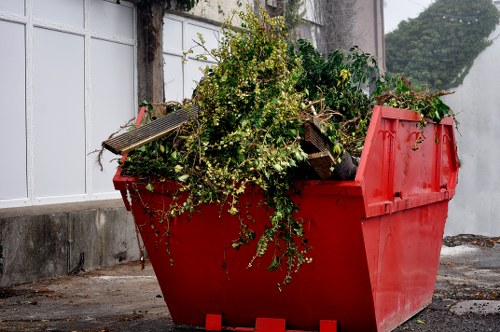
Different waste streams need different handling, even when they are all being removed from the same property. Light mixed rubbish, timber, soil, rubble, plasterboard and garden waste all behave differently in a container, and that affects both loading and disposal. A service that understands these differences can help prevent unsuitable material being mixed in where it should not be. The more accurately the load is described, the easier it becomes to plan the right route for removal.
For customers who want to check disposal rules in advance, the page on what can go in a skip is a useful starting point. It helps set expectations about ordinary load types and the items that typically need special treatment or separate handling. Where recycling is important to the brief, recycling and sustainability explains how recovered material can be considered as part of the service. That is especially helpful when you want to keep the clearance process practical as well as responsible.
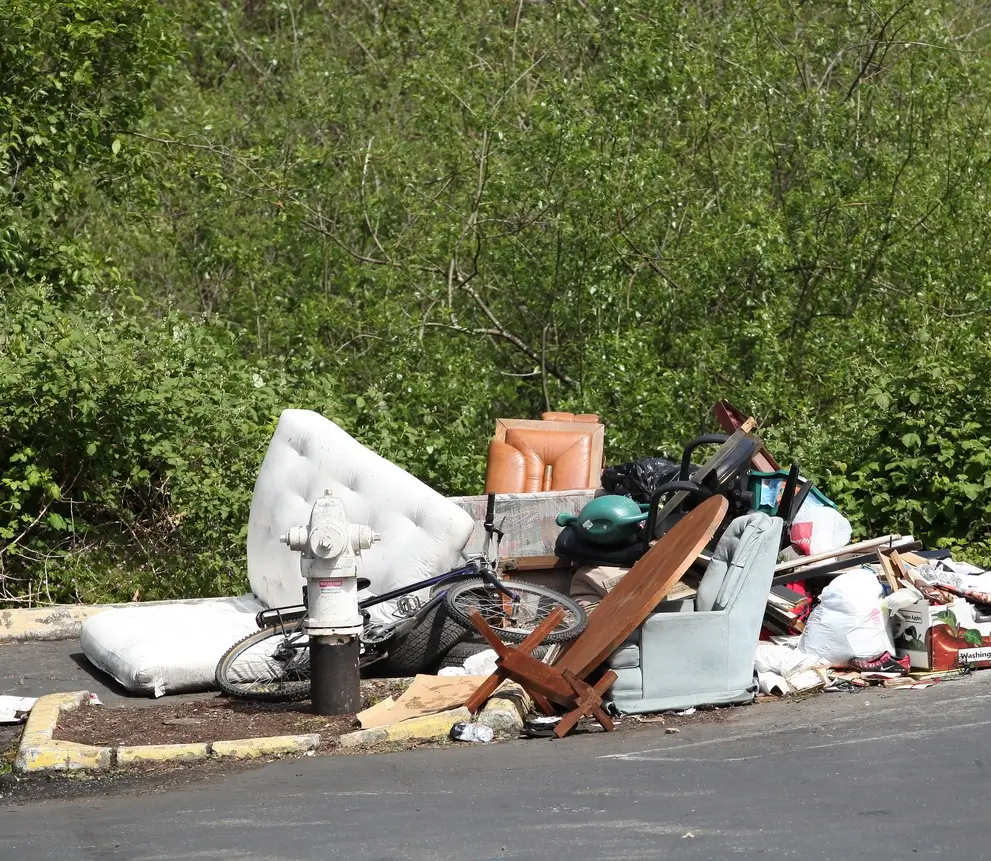
Some items are not suitable for a standard mixed waste load, so it is worth checking before they are placed in the container. Appliances, mattresses, hazardous materials and confidential material may need separate arrangements, depending on what is being removed. If you are planning a full clearance, it can help to sort the unexpected items out first and then decide whether they need a dedicated service. That keeps the main skip available for the material it is intended to carry.
Specialist removal services for larger or awkward waste
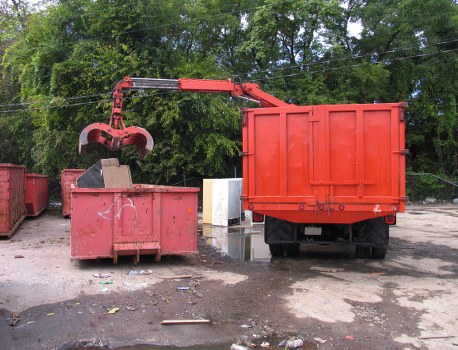
Not every job is best served by a standard skip. Heavy, loose or awkward waste can sometimes be removed more efficiently by a specialist vehicle or a targeted clearance team. Our related pages cover services such as grab hire services, grab lorry hire and muck away services, which are useful for material that is difficult to load by hand or move through restricted access. These options can be especially helpful on larger outdoor jobs.
Where the waste is more specific, it may make sense to use a dedicated disposal route instead of a general hire container. The site includes garden waste removal, fridge and appliance removal and mattress and sofa disposal. Those services help separate bulky furniture, appliances and green waste from ordinary mixed rubbish. Choosing the right route can improve sorting and keep the main clearance more orderly.
If you are unsure which category your waste fits into, the safest approach is to describe the items plainly and ask for guidance before booking. A short inventory can help, particularly where items vary in weight or composition. You do not need to write a full report, just enough detail to show whether the material is ordinary household waste, trade debris or something that needs a separate treatment route. Clear descriptions usually make planning simpler.
Booking, pricing and practical preparation

When you are ready to arrange skip hire, the most useful information is straightforward: what needs removing, how much of it there is, where the container will go and whether access is likely to be tight. That is enough to start a quotation conversation without overcomplicating things. If you want to check the booking route directly, use our book online page or request a quotation through the service enquiry process. The aim is simply to make the next step easy to start.
Pricing is normally influenced by the container size, the waste type, the length of hire and any access considerations that affect delivery or collection. If the container needs to sit on a driveway, private land or a more constrained frontage, that can also shape the option chosen. For customers who like to compare several possibilities before booking, the pricing and quotes page is a helpful place to begin. It can support a more informed request and reduce back-and-forth later on.
A simple preparation list can save time when arranging the job: confirm the waste category, estimate the amount, check the access route and note any items that must be kept separate. If your project includes heavier building debris or a mixed domestic load, say so from the outset. The more clearly the task is described, the easier it is to match the right disposal method. If you are planning ahead, request a quotation today and keep the process moving.
Related service options and next steps
Some customers know from the outset that they need a general skip, while others realise that a different disposal route will suit the job better. That is why the wider service range includes domestic skip hire, same day skip hire and rubbish removal. Each page represents a slightly different approach to waste handling, so it is worth matching the service to the practical demands of the task rather than defaulting to the first option you see.
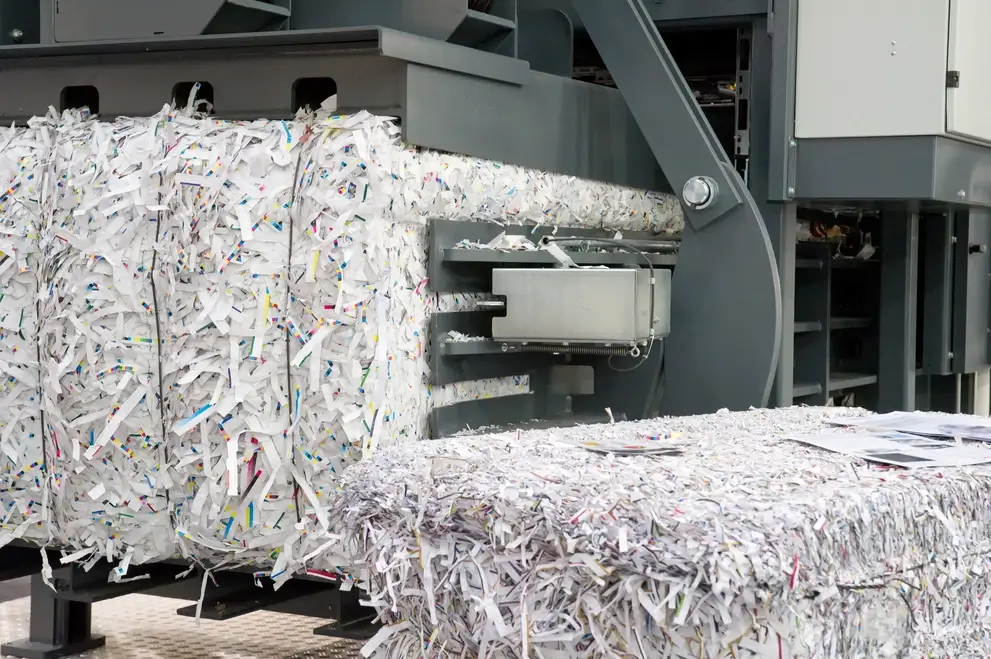
Where waste is sensitive, bulky or tied to a specific property type, the more focused pages can help narrow the choice. For instance, hazardous waste disposal, confidential shredding and skip hire permits all deal with issues that may affect how waste is removed or where a container can be placed. These topics matter because a careful hire decision reduces avoidable complications and keeps the disposal route appropriate to the material.
If you already have the outline of the job, the final step is simply to choose the service route and send in the details. We can then help you move from planning to collection without unnecessary complexity. Call for a quotation when you are ready, and use the main service pages above if you want to compare the available options first.